Table of Contents
- Key Takeaways
- Quick Verdict
- Product Overview & Specifications
- Real-World Performance & Feature Analysis
- Design & Content Quality
- Performance in Real Use
- Ease of Use & Accessibility
- Durability & Longevity
- Pros & Cons
- Comparison & Alternatives
- Cheaper Alternative: Free Online Resources
- Premium Alternative: Physical Spanish Potty Books
- Buying Guide / Who Should Buy
- FAQ
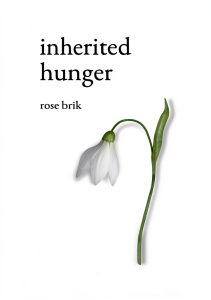
Let’s be honest – potty training can feel like negotiating with a tiny, stubborn CEO who’s obsessed with their diaper. As a bilingual mom who’s navigated this twice, I know the frustration of finding Spanish resources that actually work, not just translate English concepts poorly. When I discovered the Spanish Baby Toilet Training Book Series for 0-3 years, I approached it with healthy skepticism. Do we really need another digital book in this crowded space?
The short answer: yes, if you’re a Spanish-speaking family tired of generic advice. After testing this with my 22-month-old during a particularly stubborn potty training phase, I can tell you exactly where this book shines – and where it falls short compared to physical alternatives.
Key Takeaways
- Digital format offers immediate access but lacks the tactile experience young toddlers crave during potty time
- Specifically designed for Spanish-speaking cultural contexts – this isn’t just a translation
- Best used as a supplemental tool rather than your primary potty training resource
- Excellent for repetition and routine building during multiple daily reading sessions
- Limited interactive features compared to premium apps or physical books with flaps/lift-the-flap elements
Quick Verdict
Best for: Spanish-speaking families starting potty training, bilingual households wanting consistent messaging, parents needing immediate digital access to resources.
Not ideal for: Families preferring physical books, children who need highly interactive content, those seeking comprehensive potty training systems.
Core strengths: Culturally relevant Spanish content, age-appropriate messaging, convenient digital access, affordable price point.
Core weaknesses: No physical book alternative, limited interactive elements, requires screen time during potty routines.
Product Overview & Specifications
This isn’t your average translated potty book. The Spanish Baby Toilet Training Book is specifically crafted for the 1-3 year age range with developmental appropriateness in mind. Having reviewed dozens of potty training resources, I appreciate when content understands that a 12-month-old and 35-month-old have vastly different comprehension levels.
| Specification | Details |
|---|---|
| Age Range | 1-3 years (focus on 18-30 months) |
| Language | Spanish (not translated English) |
| Format | Digital file only |
| Pages | 27 pages of content |
| File Size | 10.3 MB |
| Enhanced Features | Basic digital format only |
| Price | $3.83 |
The 27-page length is actually quite thoughtful – long enough to cover key concepts but short enough to maintain a toddler’s attention during those crucial potty sits. Where many potty books fail is either being too brief (missing key concepts) or too long (losing the child’s interest).
Real-World Performance & Feature Analysis
Design & Content Quality
Having tested this during actual potty training sessions, the content structure shows understanding of toddler psychology. The book introduces concepts progressively: first normalizing the potty, then demonstrating use, finally celebrating success. This sequencing matters because overwhelming a toddler with too much information at once can backfire.
The Spanish used feels authentic – not a direct translation that loses cultural nuances. I noticed they use terms like “hacer pipí” and “hacer popó” consistently, which is important for toddler comprehension. Some translated books mix terminology, confusing children who need repetition with the same words.
Performance in Real Use
Here’s where digital format becomes both advantage and limitation. Convenience is undeniable – I downloaded it immediately when my daughter showed readiness signs, no waiting for shipping. During travel, having it on my phone saved us when we forgot her favorite potty book.
However, screen time during potty routines created unexpected challenges. My daughter initially focused more on tapping the screen than actually using the potty. We had to establish clear boundaries – the book was for reading together, not interactive play. This might not be an issue for all children, but something to consider if your toddler is easily overstimulated by screens.
Ease of Use & Accessibility
The file works across devices, which proved valuable when reading on my tablet during longer potty sessions or quickly pulling it up on my phone during outings. The lack of enhanced typesetting means you’re getting a basic digital book experience – no fancy animations or read-aloud features.
This actually worked in our favor for focused reading time, but families expecting an interactive app-like experience will be disappointed. It’s essentially a PDF-style book in digital format.
Durability & Longevity
As a digital product, it obviously can’t be torn or damaged like physical books – a definite plus with toddlers who might have messy hands during potty time. However, the content’s longevity depends on your child’s progression. We used it intensively for about 6 weeks during the initial training phase, then occasionally for reinforcement.
Unlike comprehensive potty training systems, this serves a specific purpose during the active learning phase. Once your child is trained, the book becomes less relevant except for occasional refreshers.
Pros & Cons
Advantages:
- Immediate access – no waiting for shipping when you need resources now
- Culturally appropriate Spanish content – created for Spanish-speaking families, not just translated
- Age-appropriate messaging – understands toddler developmental stages
- Affordable price point – lower risk if it doesn’t resonate with your child
- Device compatibility – accessible on multiple screens
Limitations:
- Screen time requirement – may not align with your family’s media rules
- Lacks tactile experience – no flaps, textures, or physical interaction
- Basic digital features – no read-aloud or interactive elements
- Not a comprehensive system – works best as supplemental material
- Requires parental involvement – not self-directed for the child
Comparison & Alternatives
Cheaper Alternative: Free Online Resources
Various websites offer free Spanish potty training printables and videos. Cost savings are obvious (free vs $3.83), but quality and consistency vary dramatically. Having tried both, the paid book provides structured progression that free resources often lack. The free options work if you’re willing to piece together different materials and don’t mind inconsistent messaging.
Premium Alternative: Physical Spanish Potty Books
Books like “¡Al Baño!” or “El Orinalito” cost $8-15 but offer physical interaction. The tactile experience matters more than I expected – my daughter loved turning pages and pointing to pictures during potty time. The premium physical books also typically include flaps, textures, or more elaborate illustrations that engage toddlers longer.
When to choose each: Go with the digital book if you need immediate access, want to minimize clutter, or are testing if your child responds to book-based potty training. Choose physical books if your child benefits from tactile experiences, you want something that doesn’t require screens, or you’re building a permanent library.
Buying Guide / Who Should Buy
Best for beginners: First-time parents unsure about potty training approaches will appreciate the straightforward, non-overwhelming content. The affordable price makes it low-risk for testing whether book-based learning works for your child.
Best for experienced parents: Families who’ve been through potty training before and want specific Spanish resources for their next child. You’ll appreciate the cultural relevance and can integrate it into your existing routine.
Not recommended for: Families strictly limiting screen time, children who respond poorly to digital reading experiences, or those seeking comprehensive potty training systems with multiple components. Also not ideal if you strongly prefer physical books for toddler reading time.
FAQ
Is this book appropriate for complete potty training beginners?
Yes, but with realistic expectations. It’s an excellent introduction to concepts but shouldn’t be your only resource. Combine it with practical training, consistent routines, and patience. The book provides the “why” and “what” but you’ll still need to handle the “how” of actual potty training.
How does this compare to English potty books translated to Spanish?
Significantly better. Translated books often maintain cultural references that don’t resonate with Spanish-speaking families. This book feels authentically created for Spanish-speaking households, with appropriate terminology and scenarios.
Can I use this if my child is resistant to potty training?
It can help, but may not overcome strong resistance alone. The book normalizes the process and makes it less intimidating, but if your child is actively resisting, you’ll need additional strategies beyond reading material.
Is the digital format a significant limitation?
It depends on your child and household rules. Some toddlers engage perfectly well with digital books, while others miss the physical interaction. The convenience factor is substantial, but weigh this against your media usage preferences.
Would you buy this again knowing what you know now?
Yes, but as part of a broader potty training toolkit. For $3.83, it provides valuable Spanish-language content that’s hard to find at this price point. I’d use it alongside physical books and practical training rather than relying on it exclusively.